Research Shows How Connectivity and Maintenance Boost Wild Bee Populations in Limestone Quarries
 17/01/2025
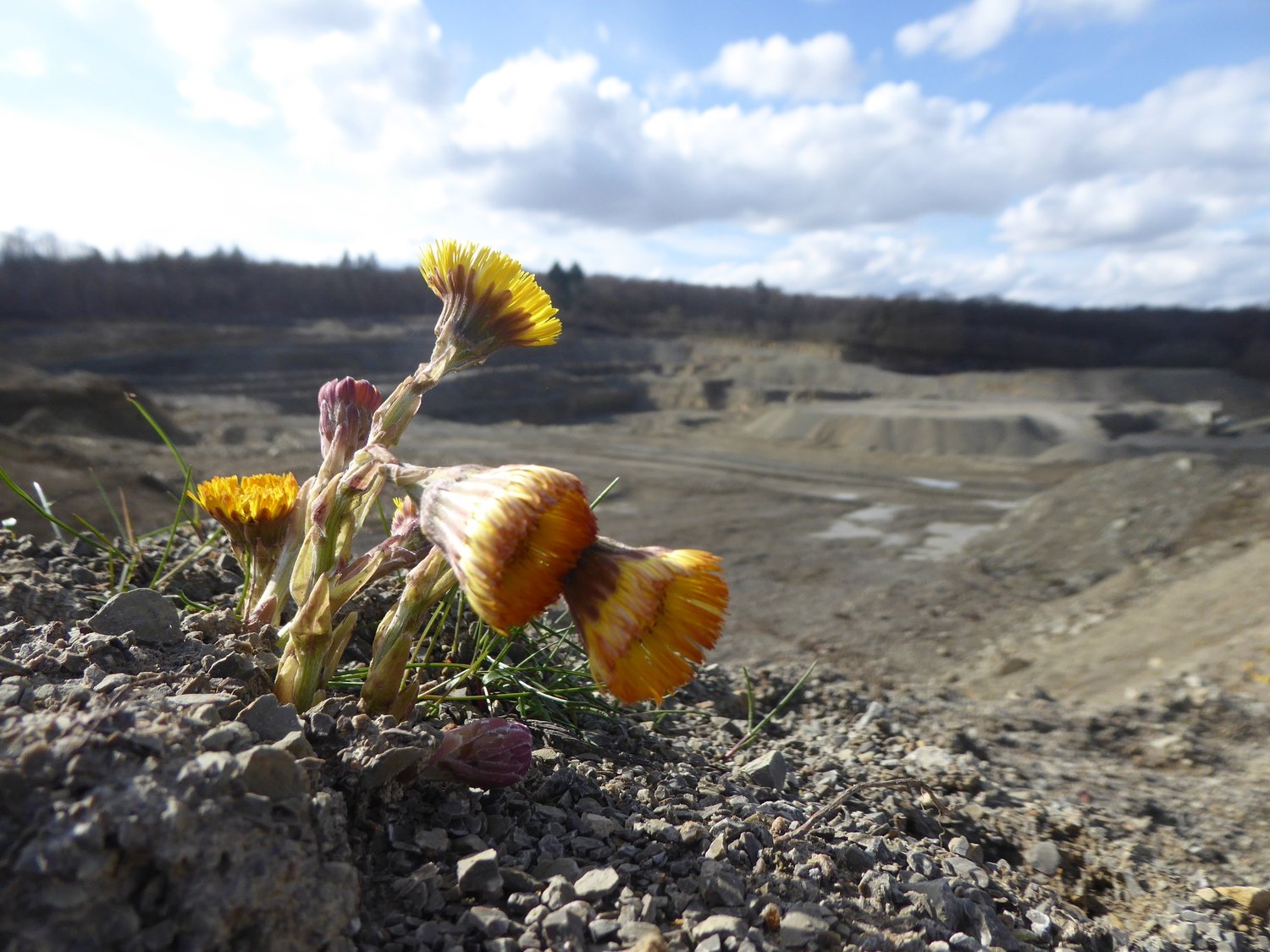

A research team at the University of Göttingen, Germany’s Nature And Biodiversity Conservation Union (NABU) in Rhede, and the Thünen Institute in Braunschweig has investigated the importance of limestone quarries for wild bee conservation. Diverse landscapes with good connectivity between quarries and calcareous grasslands proved to be particularly valuable. Calcareous grasslands – meaning grasslands on chalk or limestone soils – are exceptionally rich in plant and animal species, making them valuable ecosystems. Quarries with a lot of shrub encroachment, on the other hand, had a lower species diversity. Endangered bee species were more common in large quarries. The results of the study were published in the Journal of Applied Ecology.
The team surveyed bee communities in 19 mainly disused quarries in the Göttingen region using hand-held nets. The researchers were able to identify 114 species, including 35 endangered species. They investigated which characteristics of the quarries – such as size, age, scrub cover and abundance of flowers – are important for bees and whether the structure of the surrounding landscape plays a role. It was found that old quarries that were well connected to neighbouring calcareous grasslands had more stable populations of endangered species.
“Quarries provide valuable habitats for wild bees and other animals and plants that occur on the now rare calcareous grasslands,” explains lead author Dr Felix Kirsch from the Institute of Biodiversity at the Thünen Institute. He also emphasises the importance of large, old and flower-rich quarries. “Many wild bee species nest in the ground and often need open, sunny areas to do so,” says Kirsch. The low number of wild bees in overgrown quarries can be explained by the loss of these habitats.
“Our research supports keeping old quarries open. This can be achieved by local nature conservation organisations or landowners, for example by removing woody plants or extensive grazing,” explains Thomas Alfert from NABU. Active quarrying activities can also make a contribution here. Dr Annika Haß and Professor Catrin Westphal at Göttingen University’s Functional Agrobiodiversity & Agroecology Research Group add: “In addition to these measures, high connectivity between quarries and neighbouring calcareous grasslands is crucial. This makes it easier for bees to move between the two habitats. Preserving and restoring nutrient-poor grasslands and maintaining quarries are good ways to support and conserve wild bees.”