Trump Administration Withdraws $400 Million from Columbia University Over Alleged Failure to Protect Jewish Students
 Formfees
08/03/2025
Formfees
08/03/2025
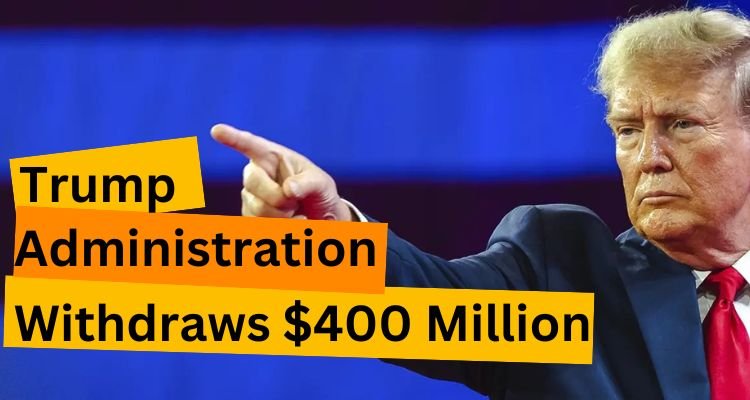
The Trump administration has announced the immediate withdrawal of $400 million in federal funding from Columbia University, citing the institution’s alleged failure to address antisemitic incidents on campus.
Key Points:
- Allegations of Inaction: Jewish students at Columbia have reportedly faced ongoing harassment and violence since October 2023, which has not been adequately addressed by the university. nypost.com
- Federal Response: A federal antisemitism task force, comprising multiple government departments, announced the funding cut, amounting to 8% of the school’s US taxpayer funding. nypost.com
- University’s Position: Columbia’s administration has pledged to work with federal authorities to restore funding and address the antisemitism allegations. nypost.com
Impact of Funding Withdrawal:
The loss of $400 million in federal grants and contracts is expected to have significant repercussions on Columbia University, including:
- Research Programs: Potential scaling back or cessation of federally funded research projects.
- Educational Services: Reduction in resources available for academic programs and student services.
- Faculty and Staff: Possible layoffs or hiring freezes affecting university personnel.
Reactions:
- University Leadership: Interim President Katrina Armstrong described the situation as a “time of great risk to our university,” acknowledging that the funding loss would have an immediate impact on various facets of the institution.
- Civil Liberties Organizations: Critics, including Donna Lieberman of the New York Civil Liberties Union, have denounced the move as illegal, suggesting potential legal challenges ahead.
Context:
Columbia University, ranked 35th in the QS World University Rankings 2025, is among the top institutions in the U.S., with a student population exceeding 30,000.
The funding cut could set a precedent affecting academic freedom and university governance nationwide. As tensions rise, students, faculty, and advocacy groups continue to debate the implications of the decision, with legal challenges likely to follow.